The Secret Lifecycle of a Commercial Cargo Van
Cargo vans don’t enter the world like regular cars. They are built for hard work, bought by the hundreds, and retired by strict corporate schedules. Let’s break down exactly how the commercial fleet pipeline works—and how to grab a premium vehicle before it gets dumped into the risky public auction system.
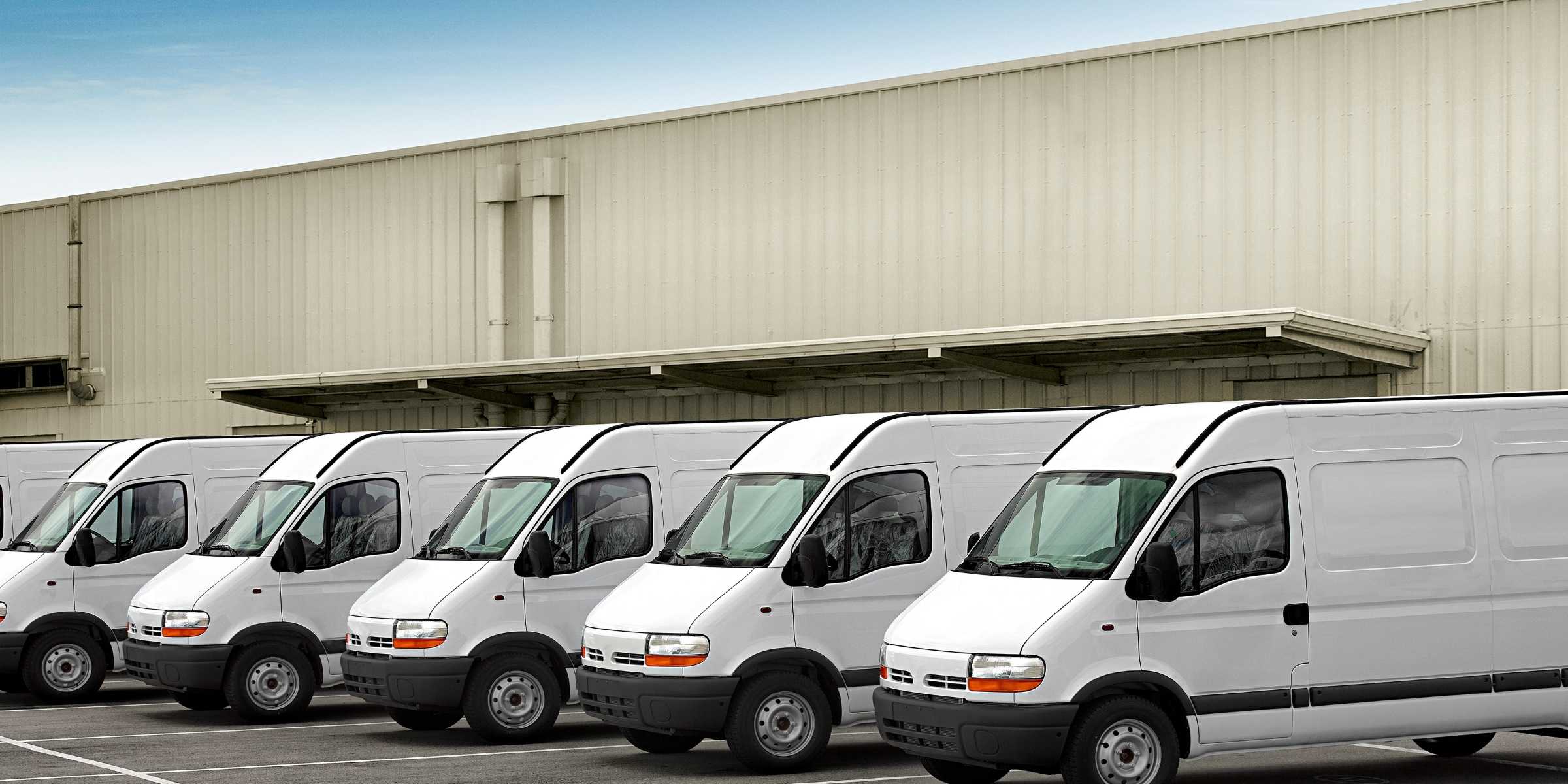
Built for Hard Work: The Reality of Cargo Van Ownership
Think about how most people buy a passenger car. They browse a lot, pick one out, drive it home, and take care of it for a few years. Pre-owned commercial vans are a completely different animal. They are built strictly for utility. Companies don’t buy them one by one; they buy them by the dozens or hundreds to act as the literal backbone of their business, handling everything from heavy moving and specialized trades to everyday parcel delivery.

These vehicles are engineered to work hard, and that is exactly what they do. Because they are operational business tools, they don’t sit around in driveways. They are on the road all day, every day, earning their keep.
3. The Corporate Fleet Maintenance Machine
Because every single hour a van sits broken costs a business money, major fleet companies treat vehicle maintenance like a science. They don’t wait for something to break down or start making a weird noise. Instead, they follow rigid, manufacturer-mandated preventative maintenance schedules.

When a van hits a specific mileage milestone on the odometer, it automatically rolls into the shop. The oil gets changed, fluids get flushed, brakes get swapped, and wearable parts are replaced right on schedule. For a fleet manager, keeping a meticulous, flawless service history isn’t just a suggestion—it’s standard corporate policy to protect their investments.
4. The 30K & 60K Milestone: Why batch retirement happens
Ever wonder why you see so many newer-model used vans with nearly identical mileage numbers? It all comes down to corporate math. Many companies have set retirement schedules tied directly to their tax depreciation cycles and factory warranty cutoff points. They want to run the van during its most hassle-free operational years and replace it before out-of-warranty repairs can hit their bottom line.
When a company reaches that magic window—usually right around the 30,000-mile or 60,000-mile mark—they retire and replace their vehicles in massive batches, completely by the numbers. This makes these windows the absolute best mileage for used cargo van conversion sourcing.
5. The Fork in the Road: Premium Selection vs. The Auction Trap
When those retired service vans hit the end of their first-owner lifecycle and get liquidated in bulk, a massive fork in the road happens. This is the exact moment where the traditional used car market gets risky for builders, and it’s why we built this process:
- Bulk Evaluation: Our premier dealer partner specializes in buying these retired fleet vehicles in massive batches straight from the corporate source. Because they buy at such a massive scale, they get first look at entire pools of single-owner, meticulously maintained service vehicles before the general public or local dealerships even know they are available.
- Picking the Best, Rejecting the Rest: Once a batch arrives, our partner goes to work evaluating every single chassis. They dive deep into the vehicle history reports, maintenance logs, and physical condition. They hand-pick only the absolute cleanest, most reliable service platforms to keep for their own inventory.
- The Auction Dump: What happens to the vans that don’t make the cut? They get rejected and sent away to massive public auto auctions to be liquidated. This includes vans with spotty service records, heavy wear, or the brutal, stop-and-go suspension fatigue common in multi-stop delivery vehicles.
- Where Local Used Car Lots Get Their Vans: This is the ultimate industry secret. The vast majority of generic, local used car dealers buy their inventory from those exact public auto auctions. Because local lots don’t have the connections or the infrastructure to buy retired corporate fleets in bulk, they are forced to bid on the auction leftovers. They buy the exact vehicles our partner dealer rejected, detail the interior, wash the exterior, and park them on their lot hoping an unsuspecting builder will think they are getting a “deal.”
6. Sidestepping the System for Your Build
🛑 You Shouldn’t Have to Gamble Your Dream
Building a custom camper van takes thousands of dollars and hundreds of hours of your own irreplaceable time. The hard truth of a diy camper van conversion is that if your vehicle suffers a major structural or mechanical failure down the road, you can’t just easily swap your custom interior into a new van. Everything is custom-fitted to the exact metal ribs and contours of that specific chassis. If the van dies, your build dies with it.

We created MyVanPlanner to let you completely sidestep the risky auction pipeline. By working directly with our premier partner, you get direct access to the top-tier, hand-selected used fleet vans for camper conversion projects that successfully passed the ultimate screening process. It gives you a premium, rock-solid foundation at highly competitive prices because the middleman auto auctions were eliminated entirely.